Before submitting your next job application, take a few minutes to review your resume. Even if you have the right experience, small issues such as unclear achievements, outdated information, poor formatting or a mismatch with the job description can weaken your application.
A resume health check helps you identify these issues before a recruiter sees your application. It also helps you present your experience more clearly and make your resume more relevant to the role you want.
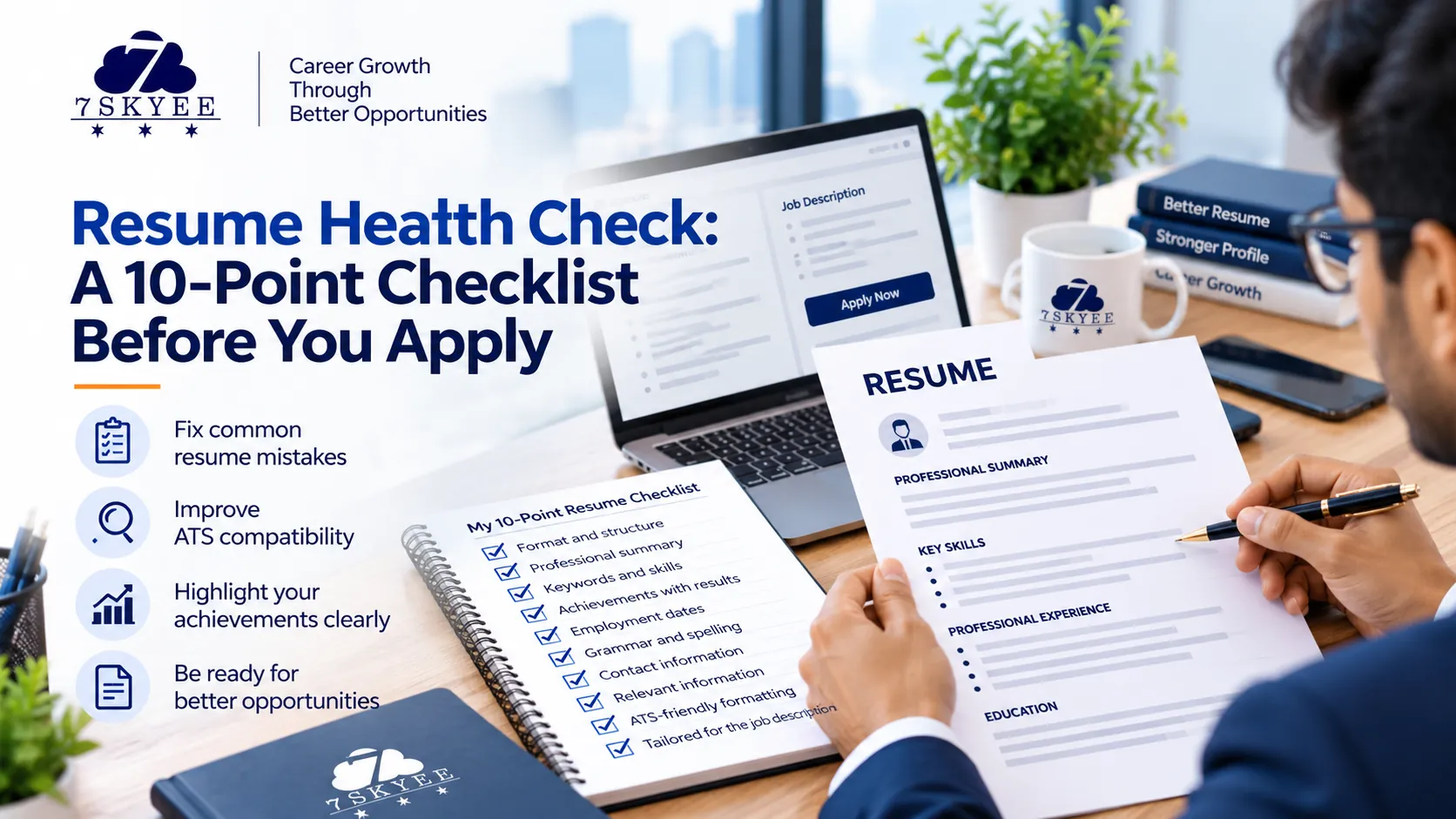
Use this practical 10-point resume checklist before clicking “Apply”.
Why Your Resume Needs a Health Check
Your resume should do three things well:
Help recruiters understand your professional background quickly.
Demonstrate your suitability for the target role through relevant skills and achievements.
Present information in a clear, consistent and readable format.
A resume that worked for your previous role may not be suitable for your next opportunity. Your responsibilities, achievements, skills and career goals may have changed.
Reviewing your resume before each important application helps ensure that it reflects your current capabilities and the employer’s requirements.
The 10-Point Resume Health Check
1. Check Whether Your Resume Matches the Job Description
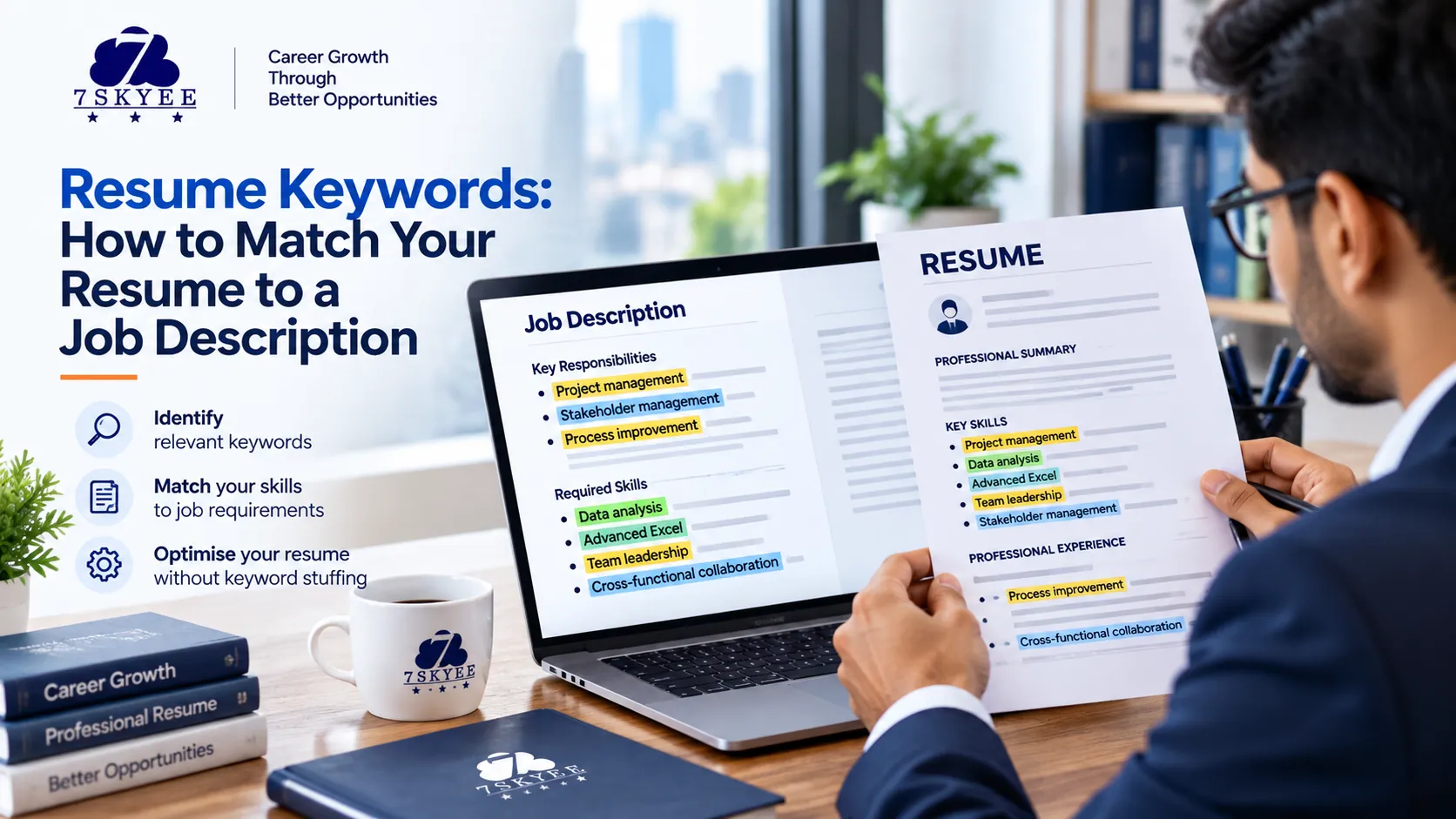
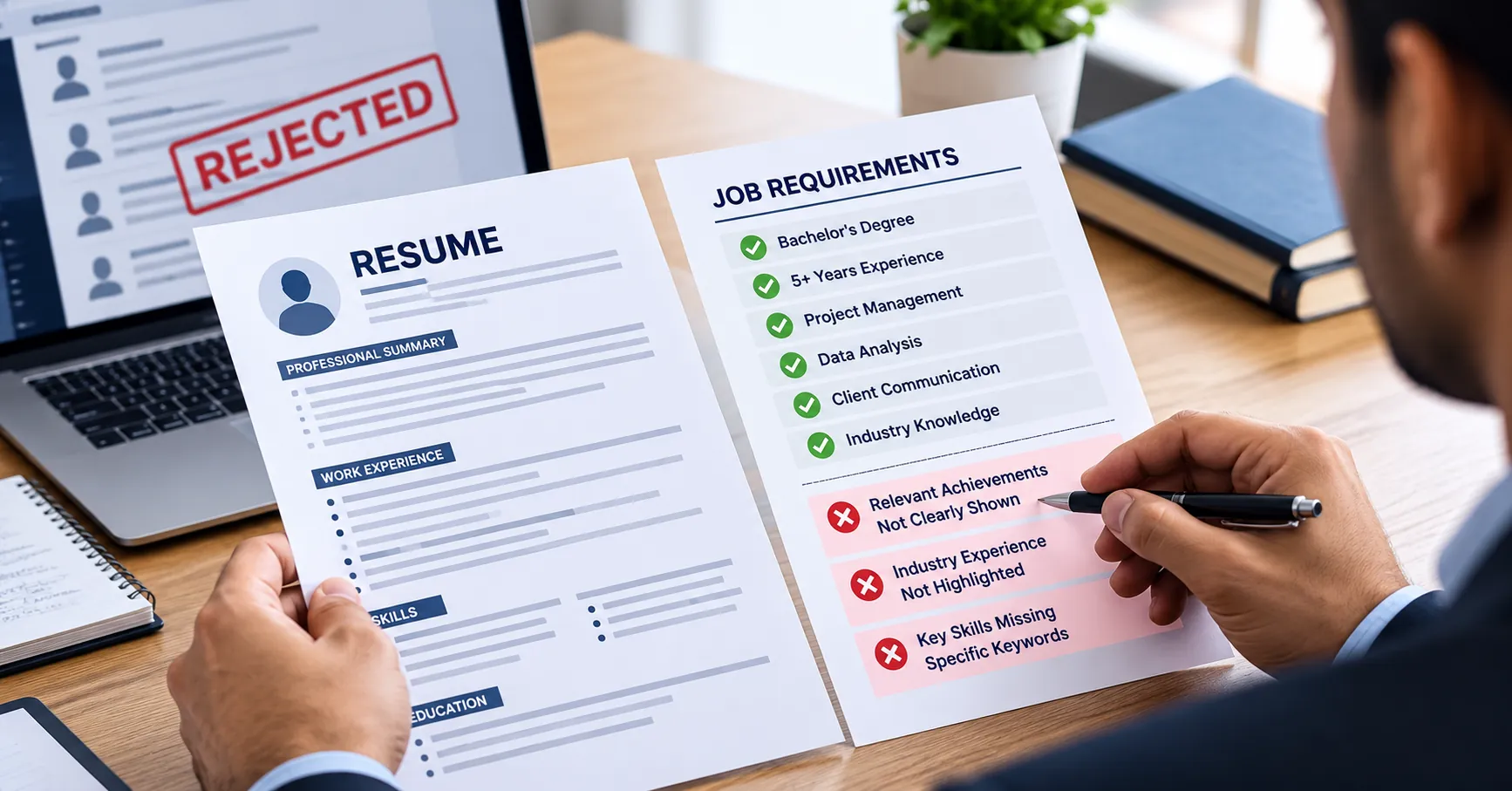
Start by reading the job description carefully. Identify the main responsibilities, required qualifications, technical skills and experience level.
Compare these requirements with your resume.
Ask yourself:
Does my resume demonstrate the skills the employer is looking for?
Have I highlighted the most relevant responsibilities?
Are my strongest and most relevant achievements easy to find?
Have I adapted my resume for this particular opportunity?
You do not need to rewrite your entire resume for every application. However, your professional summary, key skills and relevant experience should reflect the requirements of the role where appropriate.
For more guidance, read our article on how to match resume keywords to a job description.
2. Review Your Professional Summary
Your professional summary should provide a concise overview of your experience, strengths and professional value.
Avoid generic statements such as “hardworking professional seeking a challenging position”. Instead, explain your relevant experience, areas of expertise and the value you can bring to the employer.
For example, a sales professional might highlight experience in revenue growth, key account management, business development and team leadership.
Make sure your summary reflects your actual background. Do not include skills, achievements or responsibilities that you cannot substantiate.
3. Check Your Resume Keywords
Recruiters and applicant tracking systems may use job-related terms to help identify relevant candidates. Your resume should therefore include appropriate terminology from the job description where it accurately represents your experience.
Check whether you have included:
Relevant technical and functional skills.
Industry-specific terminology.
Required software, tools or certifications.
Relevant job titles and responsibilities.
Important competencies that you genuinely possess.
Use keywords naturally in your summary, skills section and professional experience. Avoid repeating phrases unnecessarily or adding skills you do not have.
Read our guide to resume keyword optimisation for a step-by-step approach.
4. Make Your Achievements Clear
A resume should explain more than what you were responsible for. It should show what you accomplished.
Review your experience section and look for opportunities to demonstrate measurable results.
For example:
Less effective: Responsible for managing sales and customer relationships.
Stronger: Managed key customer accounts and contributed to revenue growth through account development and customer retention initiatives.
Where reliable figures are available, use them to demonstrate scale or impact. Examples include revenue generated, costs reduced, projects delivered, team size or process improvements.
Never invent numbers. If exact figures are confidential or unavailable, describe the result accurately using qualitative evidence.
5. Check Your Resume Structure and Formatting
Your resume should be easy to scan on a screen and, where applicable, when printed.
Review the following:
Consistent font styles and sizes.
Clear section headings.
Consistent spacing and alignment.
Readable bullet points.
Logical employment history.
Appropriate margins and page breaks.
Avoid excessive colours, decorative graphics, complex tables and unnecessary design elements, particularly when applying through online recruitment systems.
A simple, well-structured resume is often easier for recruiters to navigate and for many applicant tracking systems to parse. However, no particular format guarantees that an ATS will accept or rank your resume favourably.
6. Check Your Employment Dates and Career History
Review every job title, employer name and employment date.
Confirm that:
Your employment dates are accurate and consistent.
Your job titles reflect your actual positions.
Promotions and changes in responsibility are represented clearly.
Career breaks are explained where relevant and appropriate.
Your most recent experience is presented prominently.
If you have employment gaps, prepare a clear and honest explanation where needed. Do not alter dates to conceal a gap.
Our guide on explaining employment gaps on your resume can help you present your career history more confidently.
7. Remove Irrelevant or Outdated Information
Your resume should focus on information that supports your suitability for the target position.
Consider removing or shortening:
Outdated skills that are no longer relevant.
Responsibilities repeated across several roles.
Unrelated personal information.
Old training that adds little value to your current application.
Generic statements that do not demonstrate your strengths.
For experienced professionals, earlier roles can often be summarised when they are less relevant than recent experience. Keep information that demonstrates important expertise, progression or transferable skills.
The right length depends on your experience, industry, seniority and the expectations of the employer. Relevance is more important than following an arbitrary page limit.
8. Verify Your Education, Skills and Certifications
Check that your qualifications and professional credentials are accurate.
Review:
Educational qualifications and institutions.
Professional certifications and their status.
Technical skills and software proficiency.
Language proficiency, where relevant.
Training that supports your target role.
Make sure that every listed skill reflects your actual capability. If a job requires a tool or technology you have used only briefly, represent your experience honestly rather than implying expertise.
If you are applying for a regulated or specialist position, verify that any mandatory qualifications or registrations are current.
9. Proofread Your Resume and Contact Details
Spelling mistakes, inconsistent punctuation and incorrect contact details can create an avoidable problem.
Check your resume for:
Spelling and grammar errors.
Incorrect phone numbers or email addresses.
Broken links.
Inconsistent dates and capitalisation.
Unexplained abbreviations.
Formatting changes after saving or converting the file.
Read the document from beginning to end. You can also ask someone else to review it or use a proofreading tool, but check suggested corrections manually.
Open the final PDF or document on your computer or phone to confirm that the formatting remains intact.
10. Confirm the Final File Is Ready to Submit
Before applying, check that you are uploading the correct version of your resume.
Confirm the following:
The file name is professional and identifiable.
The file format follows the employer’s instructions.
The document opens correctly.
The content is readable and selectable where appropriate.
The resume is tailored to the specific vacancy.
Any requested supporting documents are included separately.
A simple file name such as FirstName-LastName-Resume.pdf can make the document easier to identify. If the employer requests a Word document or a particular file format, follow those instructions.
Finally, check that the application form and resume contain consistent information.
Your Resume Health Check: Quick Checklist
Before submitting an application, use this final review:
My resume reflects the requirements of the target role.
My professional summary is relevant and specific.
My skills and keywords accurately match my experience.
My achievements demonstrate results where possible.
My formatting is consistent and readable.
My job titles and employment dates are accurate.
Irrelevant and outdated details have been removed.
My qualifications and certifications are correct.
My spelling, grammar and contact details are correct.
I have checked the final file and followed the employer’s instructions.
If you cannot confidently tick every item, address the relevant issues before submitting your application.
How Often Should You Review Your Resume?
Review your resume whenever you are preparing for an important job application, changing career direction, seeking a promotion or taking on substantial new responsibilities.
It is also sensible to update it after completing a major project, gaining a certification, receiving a promotion or achieving a measurable professional result.
Keeping a current master resume makes it easier to prepare tailored versions for different opportunities without rebuilding the document each time.
When Should You Consider Professional Resume Writing Support?
A self-review is useful, but you may benefit from professional support if:
You have strong experience but are receiving few interview invitations.
Your resume lists responsibilities without clearly demonstrating achievements.
You are applying for senior management or executive positions.
You are changing industries or moving into a different type of role.
You are unsure how to present employment gaps or career transitions.
You need help improving the structure, wording or relevance of your resume.
Professional resume writing can help you communicate your experience more effectively and align your document with your career objectives. It cannot guarantee interviews or job offers, but it can help address avoidable weaknesses in how your professional profile is presented.
Explore 7Skyee Professional Resume Writing Services to learn about available support.
Frequently Asked Questions
What is a resume health check?
A resume health check is a systematic review of your resume to identify issues with relevance, structure, keywords, achievements, accuracy, readability and presentation before applying for a job.
How do I know whether my resume is ATS-friendly?
Use clear headings, consistent formatting, readable text and relevant job-related terminology. Follow the employer’s file-format instructions and avoid unnecessary design elements that may complicate parsing. No checklist or online score can guarantee compatibility with every applicant tracking system.
Should I use the same resume for every job application?
Keep a master resume containing your complete professional history, then tailor the most relevant sections for each vacancy. This helps you emphasise the experience and skills that matter for the particular role.
How long should my resume be?
There is no universal ideal length. The appropriate length depends on your experience, industry, seniority and the employer’s expectations. Prioritise relevant information and remove unnecessary repetition.
Can a resume health check guarantee more interviews?
No. Interview decisions depend on many factors, including the employer’s requirements, competition, experience and hiring conditions. A thorough review can improve clarity and relevance, but it cannot guarantee an interview.
Give Your Resume a Professional Review
Your resume is often one of the first documents an employer sees. A few careful checks can help you correct mistakes, highlight relevant achievements and present your experience more clearly.
If your resume still does not communicate your value effectively, professional guidance may help you identify what needs to change.